
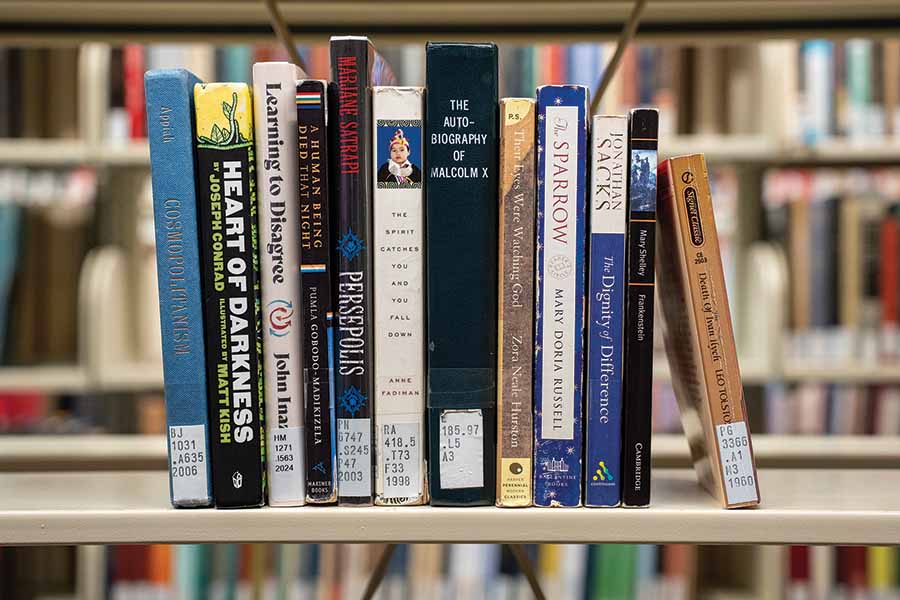
Over the past 50 years, Knox first-year students and faculty have shared one common experience—First-Year Preceptorial, or FP as it is almost ubiquitously known at Knox. Not an introduction to college in general as much as it is an introduction to Knox and our shared legacy within the liberal arts tradition, FP is the one common experience across the Knox curriculum.
This fall, incoming Knox students will experience a newly configured preceptorial, consisting of courses grouped together around big ideas and introducing students to the interdisciplinary breadth that makes a Knox education so powerful.
FP was designed to introduce students to the breadth and diversity of the liberal arts. This legacy is all the more important as the College continues to graduate students who can solve complex problems that require critical thinking, ethical judgement, and innovative ideas. This fall will mark the 50th anniversary of the program’s inception, which is a good time to reflect on how far the program has come over these five decades—and where it’s going in the future.
Thinking back to our own experience, it’s probably easy for many of us to remember that strange mix of feelings that characterized the moment we first stepped onto the campus of our alma mater as a new student. There was certainly excitement to start a new journey, to be independent, to explore new ideas—but there was also anxiety. Will I make new friends? How hard am I going to have to work? How do I do laundry? In the midst of that flurry of goodbyes to family and greetings to new roommates, the students who arrived at Knox in the fall of 1976 had something new on the horizon that no other Knox student had yet experienced: Freshman Preceptorial (as it was then known).
The 1976 debut of FP was a three-course sequence designed to introduce students to the liberal arts. This was a trial run before the program would be made mandatory for all new students in the 1977-1978 academic year. Over the ensuing years, the FP courseload was reduced to two courses in 1980, and then to one course in the 2002 fall term. The core mission of FP has endured throughout these changes, and, for 50 years, students have explored the liberal arts in preceptorial classrooms.
This legacy continues through new innovations in the FP classroom. Beginning in the 2026 fall term, FP courses will be grouped together in “clusters,” each consisting of several sections all oriented towards a shared topic or idea. Each cluster of courses will explore big questions about the human experience through different disciplinary approaches and will provide a shared experience for students. In this way, faculty will lend their own distinctive expertise and students will be exposed to different ways of thinking.
This marks the latest work in helping FP meet students’ needs while still challenging them to think big. It is worth noting that FP emerged out of an effort by President E. Inman Fox to “enhance the intellectual atmosphere on campus.” Fox’s thinking was that a “common intellectual experience” would encourage students to discuss ideas and issues in new and interesting ways. The clusters of FP courses are meant to accomplish this by giving students a venue to learn from Knox faculty and from each other outside the boundaries of traditional academic disciplines.
Students will join their new peers in preceptorial classrooms to discuss how science fiction helps us learn what it means to be human, how the monstrous often says more about us than about the monster, how we perform our own identities, how film allows us to imagine new possibilities, and how games help us understand how we interact with the world around us. These guiding concepts will invite students into a conversation much larger than themselves, a conversation that has been happening at Knox in the First-Year Preceptorial for 50 years and, before that, in classrooms across the curriculum since 1837.
Fall 2026 FP Courses
Cinematic Visions
The Gothic Impulse in Film
Creating Monsters
Performance Studies
Playing with Biology
Playing with History
Playing with Religion
Playing with Sound
Science Fiction & Human Identity
Tacky, Trashy, Campy, Kitsch
The Art of Listening
The Evolution of FP
By Megan Scott ’96
First-Year Preceptorial, or FP as it is affectionately known, celebrates its 50th anniversary in fall 2026, and its longevity can be attributed, in part, to its numerous revisions. From the course’s structure to its reading list, FP has evolved with the College’s faculty and curricular focus.
1969
Freshman Seminar added to the Knox curriculum, laying the foundation for FP. Seminar courses ranged from Why Read Literature? to Revolutions to Food Production.
1974
Committee of faculty and students formed to discuss the creation of a course that would exemplify Knox’s commitment to the liberal arts.
1976
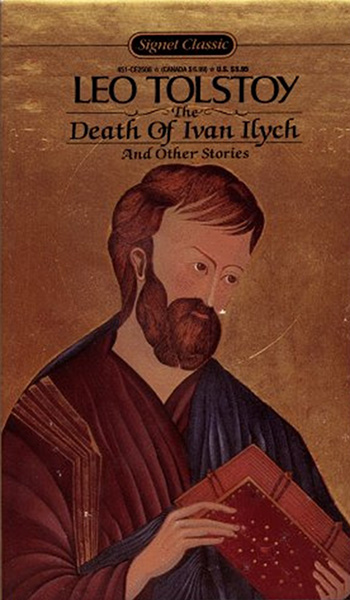
Freshman Preceptorial introduced as a three-term course: Perspectives on Being Human, Nature & Culture, Ways of Knowing. The Death of Ivan Illych by Leo Tolstoy was the required summer reading.
1977
FP officially made a core course in the Knox College curriculum.
1980
FP changed to two courses: Perspectives on Being Human and Nature & Culture.
1994
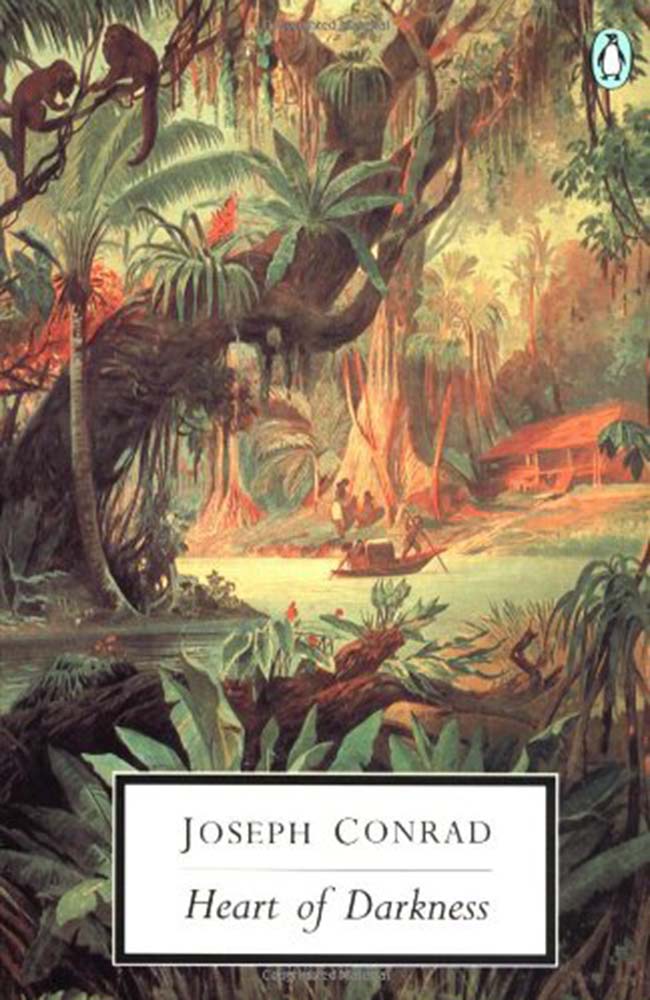
FP underwent major revision. Perspectives on Being Human was replaced with Exploring Identity: The Beginning of a Journey. Advanced Preceptorial (an upper level, multidisciplinary course that revisits core ideas of FP course) was added to the curriculum. Heart of Darkness by Joseph Conrad replaced The Death of Ivan Illych as the assigned summer reading.
1997
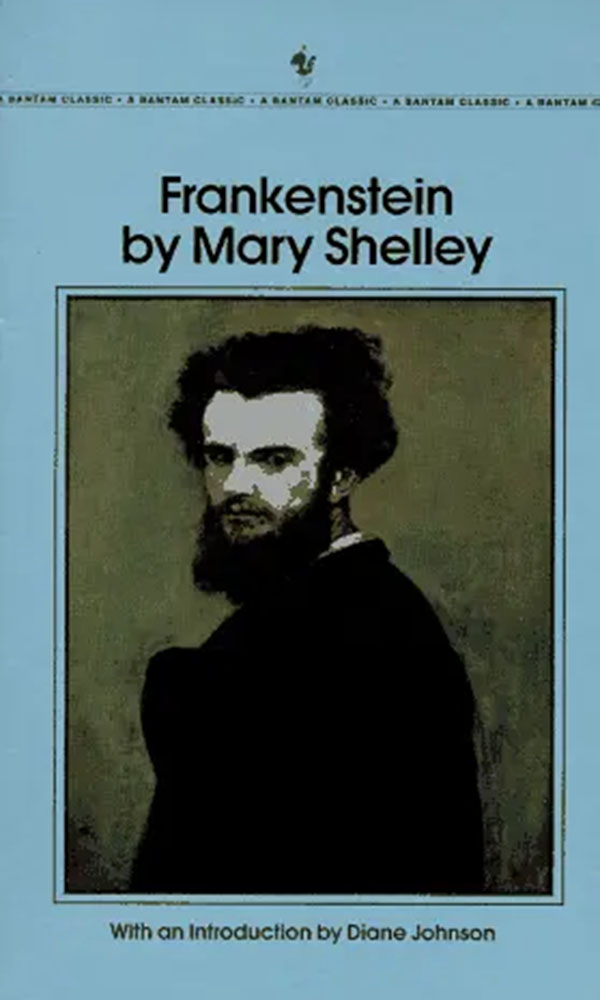
FP officially became Exploring Human Identity. Frankenstein by Mary Shelley was chosen as the new summer reading assignment.
2002
FP was officially changed to one course. Advanced Preceptorial is no longer a requirement.
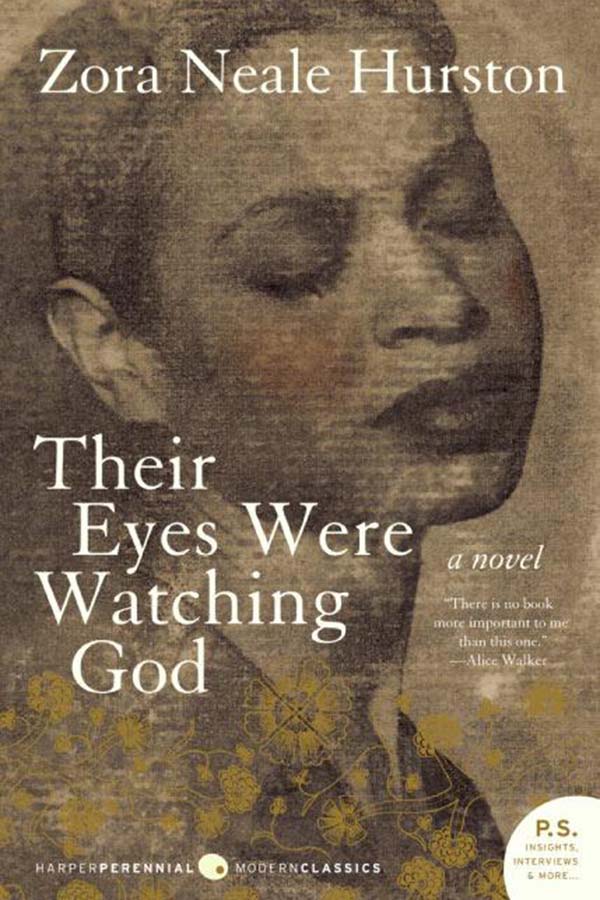
2004
On Making One’s Way replaced Exploring Human Identity. Their Eyes Were Watching God by Zora Neale Hurston was the summer reading assignment.
2007
Conversations in a World of Strangers replaced On Making One’s Way. Three common reading selections were introduced: The Autobiography of Malcolm X by Malcom X, Sparrow by Mary Doria Russell, and Cosmopolitanism: Ethics in a World of Strangers by Kwame Anthony Appiah.
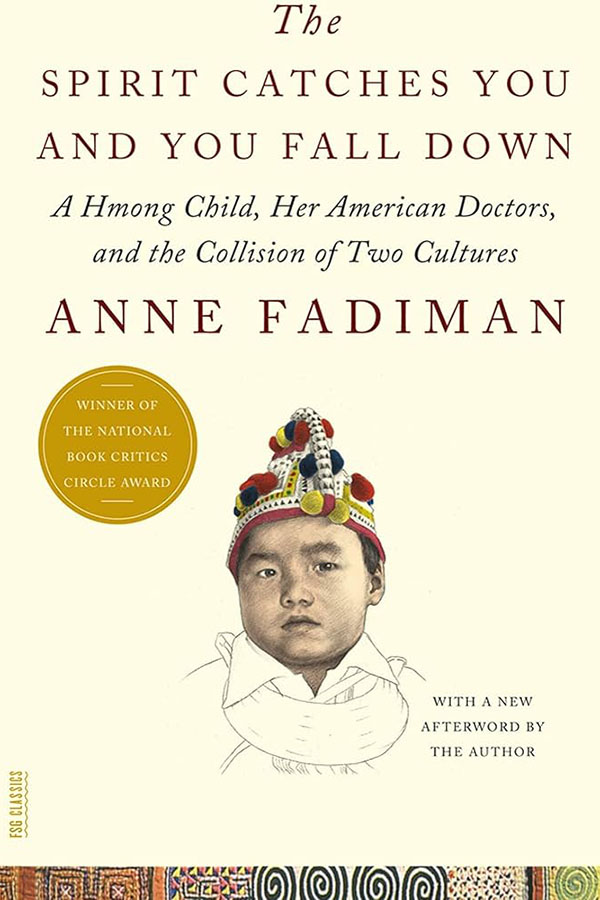
2008
The Spirit Catches You and You Fall Down by Ann Fadiman replaced Sparrow as the common reading selection.
2009
Conversation: How Talk Can Change Our Lives added to common reading list.
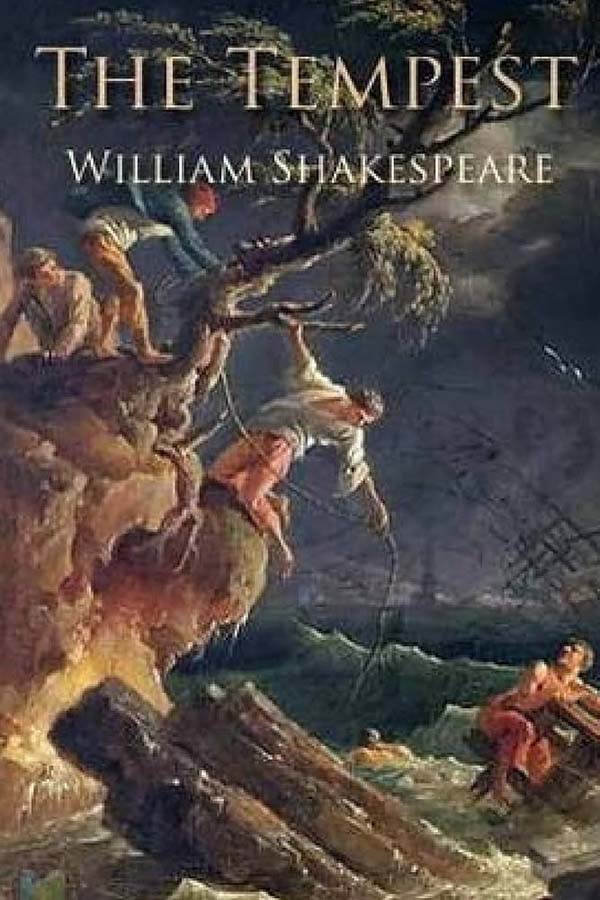
2010
New common reading texts were introduced: The Dignity of Difference by Jonathan Sacks, Persepolis by Marjane Satrapi, A Human Being Died that Night by Pumla Gobodo-Madikizela, and The Tempest by William Shakespeare.
2011
Common course and common readings are replaced with a series of evolving courses, such as Learning to See Water, Creating Monsters, Love, War, and The Challenge of Sustainability.
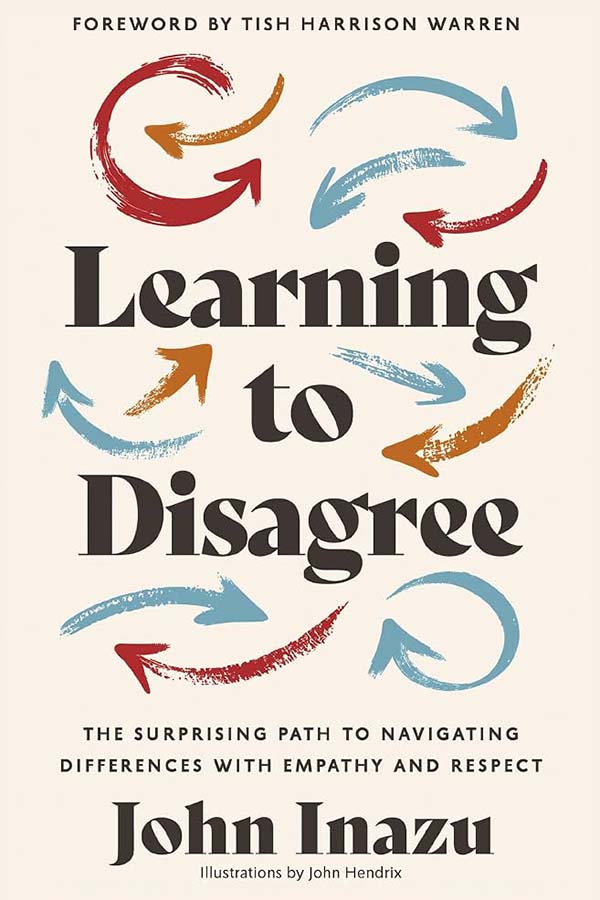
2025
Learning to Disagree: The Surprising Path to Navigating Differences with Empathy and Respect by John Inazu introduced as the new summer common reading.
2026
Courses are now grouped together in “clusters,” each consisting of several sections all oriented towards a shared topic or idea, exploring big questions about the human experience.
“One of the best parts of my time at Knox”
For 50 years, FP has helped lay the foundation for a lifetime of intellectual discovery by encouraging students to explore the meaning of the liberal arts through thoughtful questions and discussions. As a required part of every student’s first year at Knox, FP has created countless memorable conversations and experiences over the decades. We asked alumni to share their memories on our social media channels, and here are a few of our favorites.
Sarah Weed Chandler ’97
“Penny Gold (history) was my FP professor. I never had another class with her, but 15 years later we went shopping in Beijing’s fabric markets together.”
Alex Dye ’95
“I remember my FP class with Jonathan Lee (philosophy), where I tried to connect the dots between bell hooks, Martin Luther King, Jr. and Public Enemy. I’m not sure I was ultimately successful, but FP challenged me to think horizontally and make cross- disciplinary connections—a skill and mindset that still serves me to this day.”
Mary V. Cantrell ’86
“Sue Hulett (political science) was my FP professor, and she’s one reason I didn't drop out after my first term. As an educator myself, I often think of my FP experience when reading the latest research on teaching pedagogy. No wonder I loved the class!”
Andrea Crain ’98
“My main memory from FP is that we all had to watch Apocalypse Now in the Kresge Auditorium, so we could compare and contrast it with Heart of Darkness, and it was horrifying and kinda traumatic.”
TJ McDonald ’88
“Has anyone gone back to reread some of these books? The Death of Ivan Ilyich hit me very differently as a guy in his late 50s.”
Taylor Walter ’15
“Amy Singer’s (anthropology and sociology) Learning to See Water FP had a massive impact on my Knox experience and continues to have an impact on me to this day. Many of my FP classmates became lifelong friends!”
Heather Frankland ’02
“I loved FP. I remember having to read Frankenstein before I came to campus for it. It’s still a book I love, have read many more times, and currently teach. Also, it was good to have discussions with peers who were interested in different disciplines … it enacted the liberal arts.”
Donna Mielke ’81
“My freshman year, we had preceptorials all three terms. It was described as an introduction to the liberal arts, but it was really so much more. The breadth and depth of the material we covered, along with the experience of having professors of all disciplines teaching outside their specialty, demonstrated for us students how to approach learning. The bonding of the common experience also served to bring together our entire class. It was honestly one of the best parts of my time at Knox.”
Christopher Solli ’98
“Advanced Preceptorial brought us all back together to focus on a theme, Frontiers, to refine our writing some more, and engage in more mature discussions then as juniors and seniors. . . . FP really introduced and cemented the Knox experience of academic rigor, acquiring knowledge, and finding out that the questions asked are often more important than the answers you receive!”
Peter Weber ’86
“I didn't realize that Preceptorial was still relatively new when I was at Knox. The experience changed the path of my education and, as a result, the direction of my life. Bob Seibert ’64, P’01 (political science) taught my second trimester and ended up being the most influential person in my education.”