What's New for the Class of 2023?
We asked a group of graduates what their plans are moving forward.

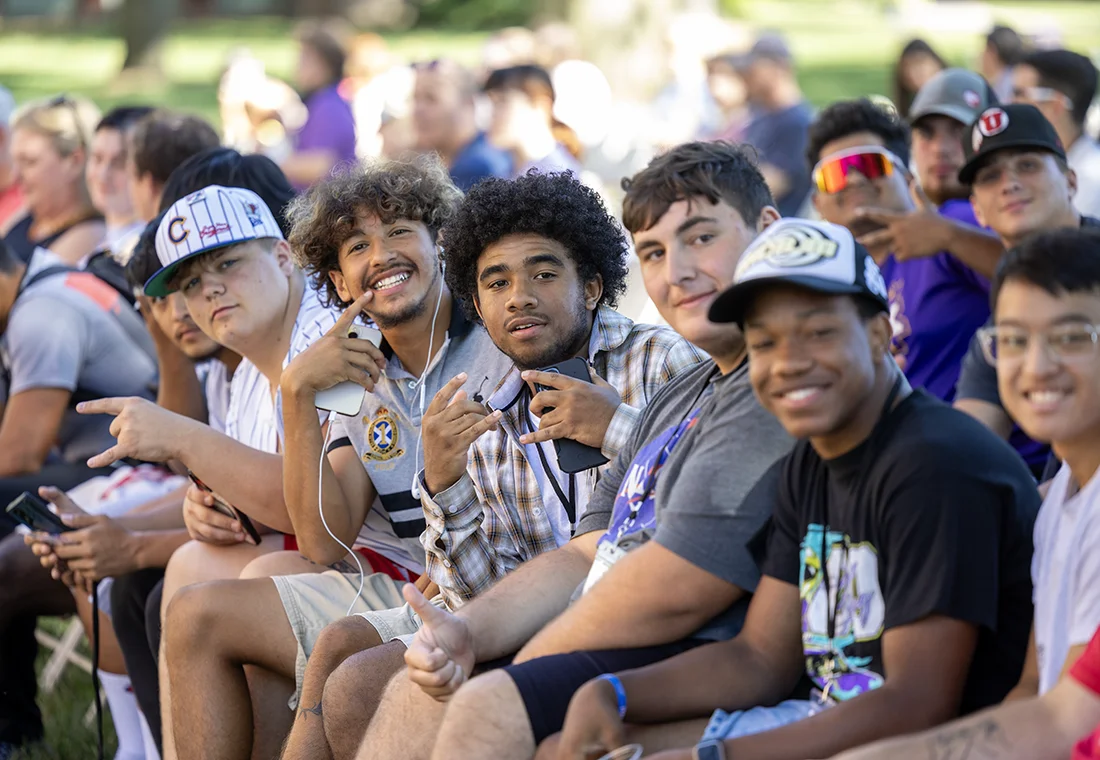
Ready to see yourself at Knox? Applying is the first step. We’ll help you explore academics, campus life, financial aid, and everything else you need to get started.
Get started.
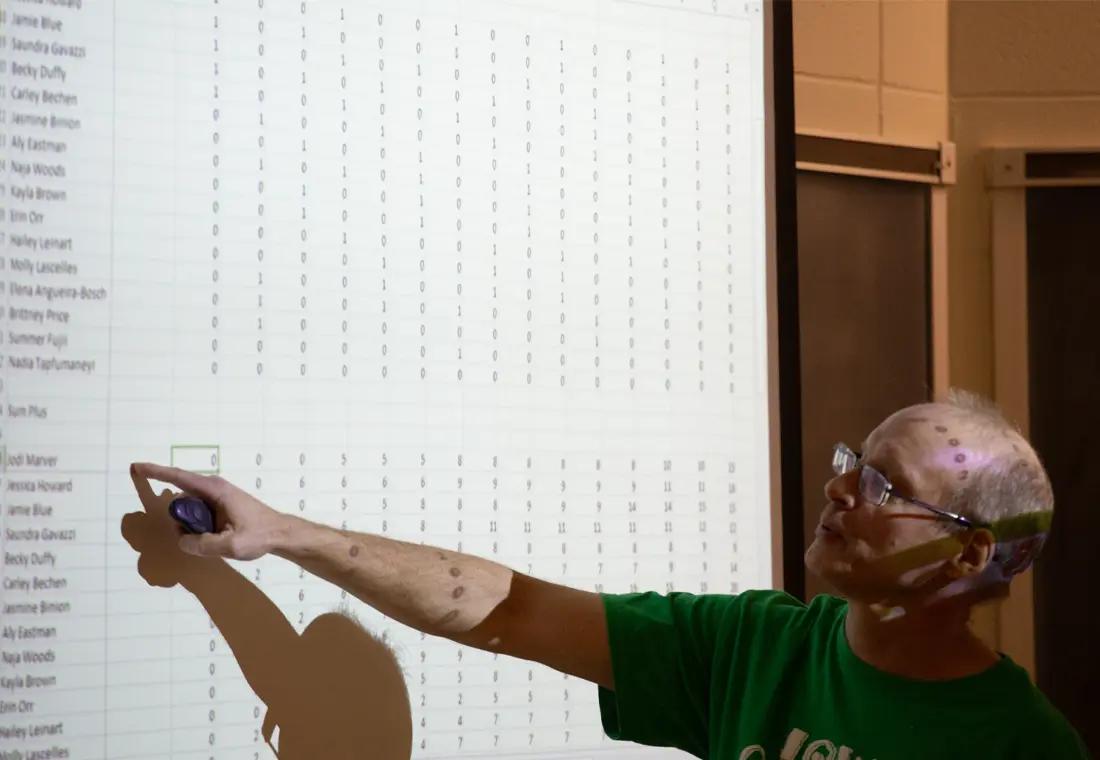
Every dataset has a story. Learn how to read it—and how to interpret it for others.
Because Knox is small, you won’t just be another name in the roster. Your professors will know your goals, your working style, and probably your coffee order. By the time you graduate, you’ll have designed and completed your own research project—an experience that stands out to employers and graduate programs.
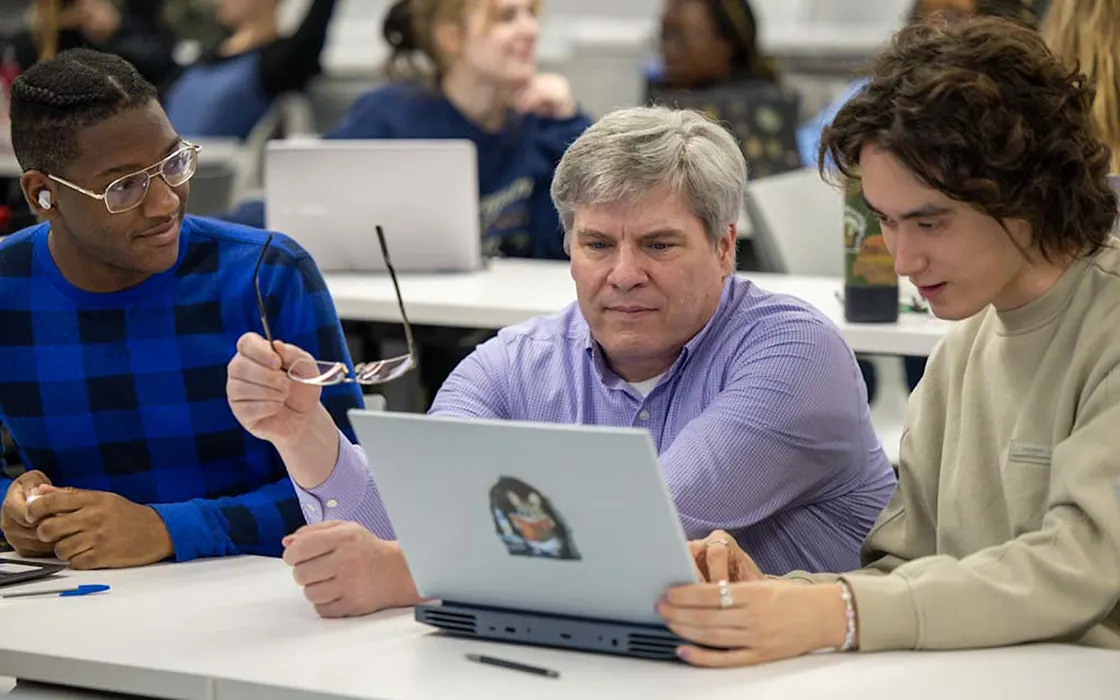
The best resources are the ones you carry with you. You’ll use the same professional software that data scientists rely on every day—R, Python, Excel—installed on your own laptop and ready whenever inspiration strikes. But the real appeal isn’t equipment. It’s what you’ll do with it.
Every statistics student completes a research project that can connect to an internship, a professor’s ongoing work, or a question they’re genuinely curious about. Recruiters from companies like Epic Systems come to campus specifically to hire our graduates. Alumni working in data science and biotech return to talk with students about what their jobs actually involve.
Through it all, you’ll have faculty with open office doors, a couch where breakthroughs happen, and people who actually enjoy hanging out with students. That’s the resource that matters most.
We asked a group of graduates what their plans are moving forward.
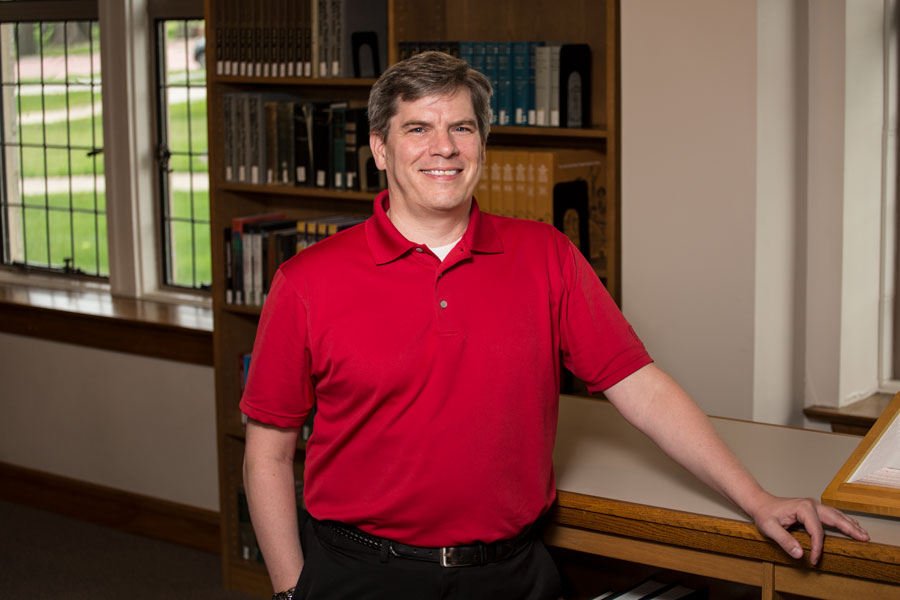
Ole Forsberg, who teaches mathematics and statistics at Knox, wants people to know more about the strengths and weaknesses of polls.
Starting out, you need to be comfortable with basic algebra. Most of what we do involves thinking clearly about questions and evidence, not solving complicated equations. If you can handle high school algebra, you have enough mathematical foundation to start. We build everything else together from there.
Yes, and we love when students do exactly that. The statistics minor requires five courses plus a research project, which fits alongside any major without overwhelming your schedule. Students from biology, psychology, business, economics, and political science take it most often because those fields have natural overlaps, but we regularly see majors from history, studio art, anthropology, environmental studies, and creative writing. The research project can be tailored to your interests, so if you are an English major who wants to analyze patterns in literature or a theatre major curious about audience demographics, we will help you design something that actually matters to you. The whole point of the minor is to give you statistical tools that enhance whatever you already care about.
Statistics is consistently one of the most in-demand skills across nearly every industry. Employers come to Knox specifically to recruit our graduates because they want people who can think critically with data. The combination of a major in something you love and a minor in statistics makes you stand out. You are not just another applicant with technical skills. You are someone who understands a specific field and can bring data to bear on its hardest problems. That is exactly what employers are looking for.
Contact us to find out more about our comprehensive majors, minors, and programs.