
Skip to Main Content
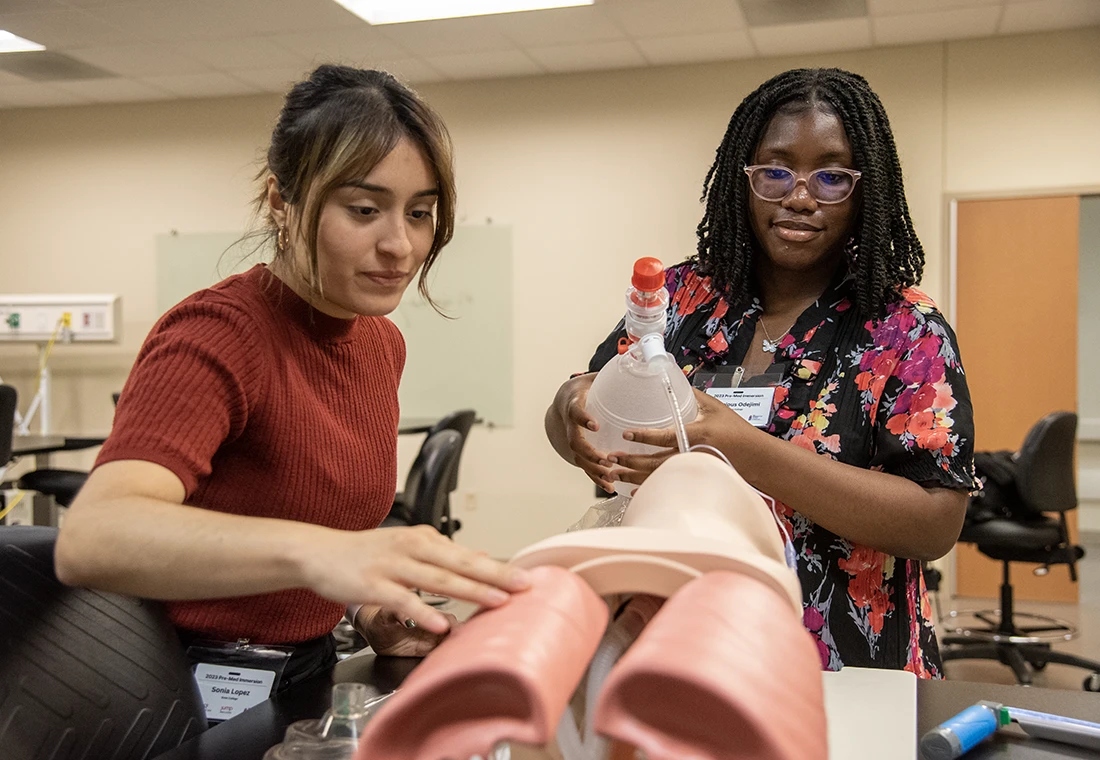
Two students work on a medical manikin. One holds a plastic jug with a tube attached that feeds into the manikin.

Health Studies

Explore what it means to care for others—and yourself.

Minor in Health Studies

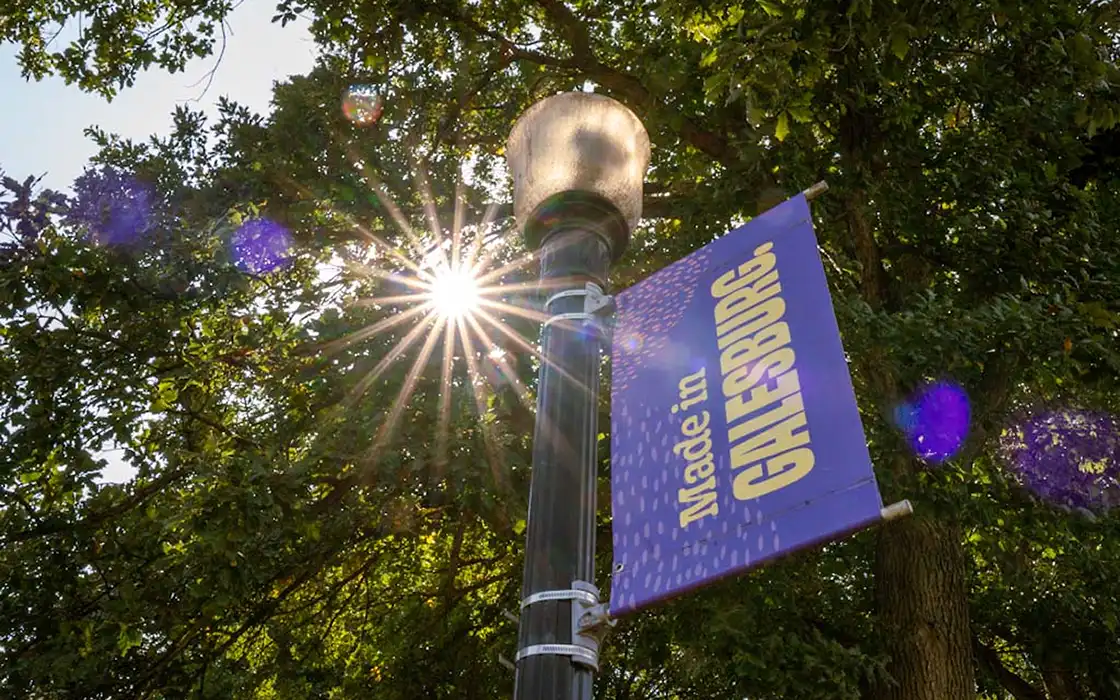
A lightpost stands tall against a background of green leaves with the sun shining through as a starburst. The banner reads Made in Galesburg.

Life Learning

Health studies is built around a winter‑term internship that takes you out of the classroom and into the Galesburg community. This immersive experience is the cornerstone of the course—a chance to learn what care looks like in real settings, with real people, and to see how your own background and values shape your perspective.

Students intern locally at hospice organizations, daycares, and organizations that support adults with disabilities, working with people across ages and abilities. Back in class, you share stories, compare experiences, and reflect on what you’re learning. It’s a semester of growth—personal, academic, and human—and one of the most memorable parts of the minor.

Preparation for Medical School

While health studies complements most any major, it's particularly great preparation for students interested in medical school.

Many of the leading causes of illness and mortality are caused by behavioral and environmental determinants of health, like smoking and drug use, diet and exercise, and inequities in care due to socioeconomic status. Increasing diversity and the aging of the population has led to an increased focus in medical schools on cultural sensitivity.

On top of all of these factors, the roles of physicians and patients, of inpatient and outpatient treatment, of insurance and compensation, and of preventative care and health maintenance, have changed significantly in recent years.

Recognizing the importance of socio-cultural and behavioral determinants of health, the MCAT was updated in 2015 to include social science and psychology, stressing the importance of the social sciences in addition to the natural and physical sciences to future physicians.

Health Studies FAQs

Students are often surprised by how much personal growth happens in Health Studies. At the start of the course, everyone sets a personal goal—something they want to work on, like speaking up more or managing their time better—and shares it with the class. Midterm and final check‑ins help students reflect on their progress and celebrate what’s changed.

During their internships, students bring in stories from their own lives and backgrounds, offering a wide range of perspectives. Group conversations lead to written reflections, giving students space to connect their experiences, learn from one another, and see how caring for others shapes their own development.

Health Studies is an easy addition to your academic plan, but a very meaningful one. The minor complements majors across the college and helps you connect your interests—from technology to policy to psychology—to health and caring for others. Students choose it to build perspective, strengthen their understanding of care and equity, and prepare for careers where working with people is central.

The Health Studies course can be taken as a half‑credit or full‑credit “sidecar” alongside your major. Because the minor is built around this single course, it’s easy to add Health Studies to your academic plan without delaying other goals.

To deepen your understanding of health from multiple angles, you’ll also choose an accompanying course in a related field—options include upper‑level biology, religion or ethics, psychology, economics, political science, history, or statistics. These courses help you connect your internship experience to broader questions about care, systems, and human behavior.

Internships don’t have to take place in medical facilities. Health Studies students find meaningful, hands‑on experiences across the Galesburg community—anywhere people are being cared for.

Students intern at places like Thrive, which supports adults with disabilities; hospice organizations; and daycares serving children from infancy through school age. Because students are spread across many different sites, they return to class with a wide range of perspectives and stories to share. That mix of experiences is part of what makes the minor so valuable.

Is Knox for you?

Contact us to find out more about our comprehensive majors, minors, and programs.

Loading...