Reimagining the Classics: Knox Updates Its Approach to Teaching Ancient Cultures
Knox has discontinued its previous majors in Latin and Greek to offer two new programs in Classical Languages and Classics & Mediterranean Studies.

Ready to see yourself at Knox? Applying is the first step. We’ll help you explore academics, campus life, financial aid, and everything else you need to get started.
Get started.
Uncover the depths of the ancient world through the study of language, culture, and history.
In our courses taught in English, you’ll explore ancient history, art and architecture, mythology, philosophy, early political thought, and special topics that range from ancient sexualities to the classical world in modern storytelling. For students studying Ancient Greek and Latin, the yearlong introductory sequences lead into a rotating set of upper‑level courses—tragedy, rhetoric, lyric and elegiac poetry, epic, and historical authors—along with opportunities for independent study and focused reading courses for deeper language work.
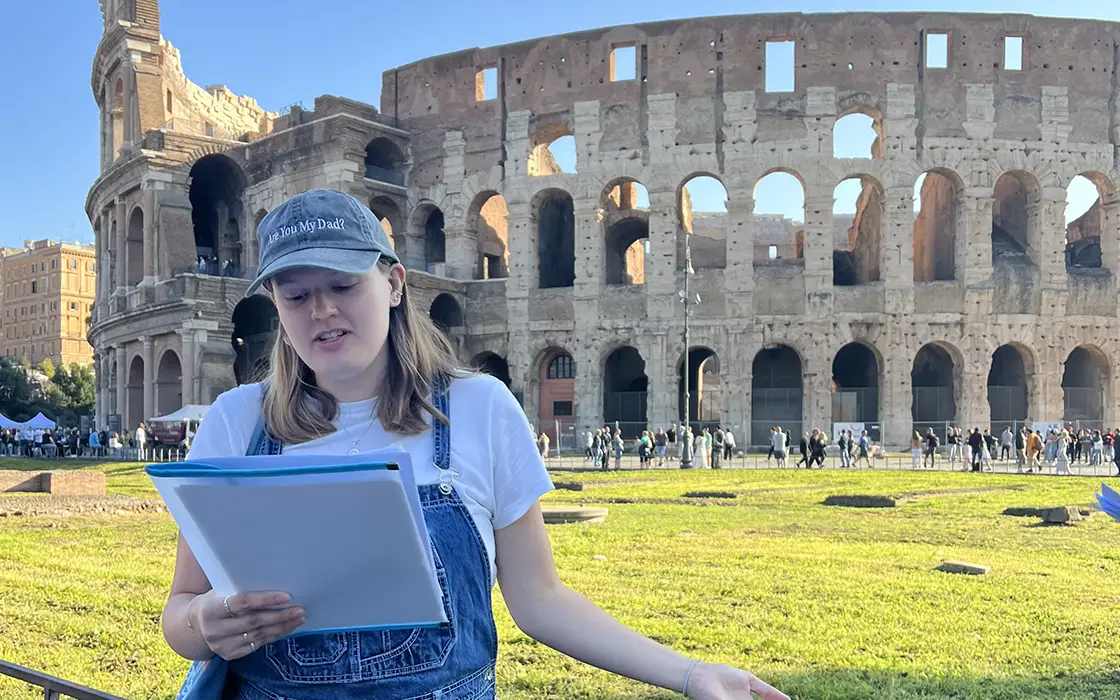
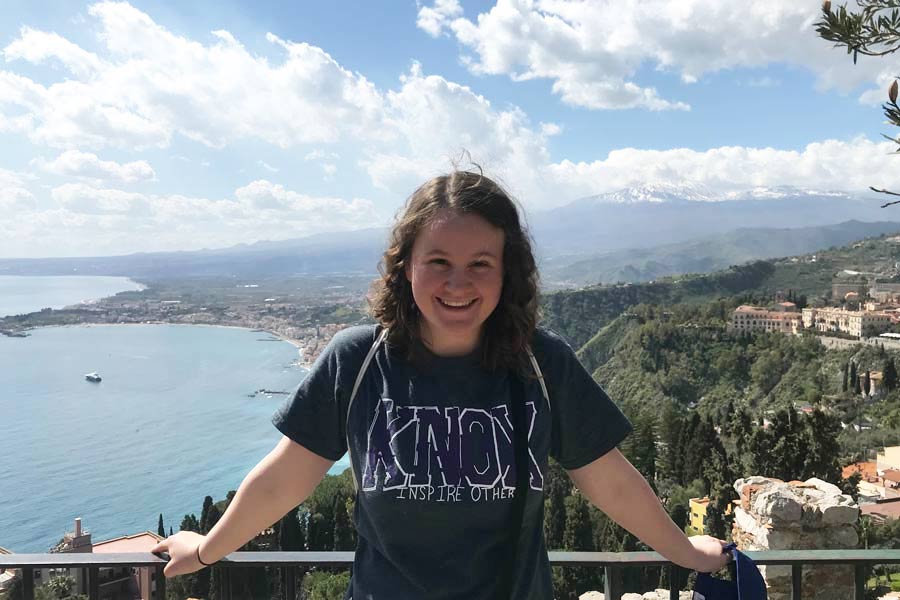
Many classics students have transformative experiences studying abroad through College Year in Athens, the Intercollegiate Center for Classical Studies in Rome, and other programs where they explore ancient and modern topics in the landscapes that shaped the literature, art, and history they study at Knox.
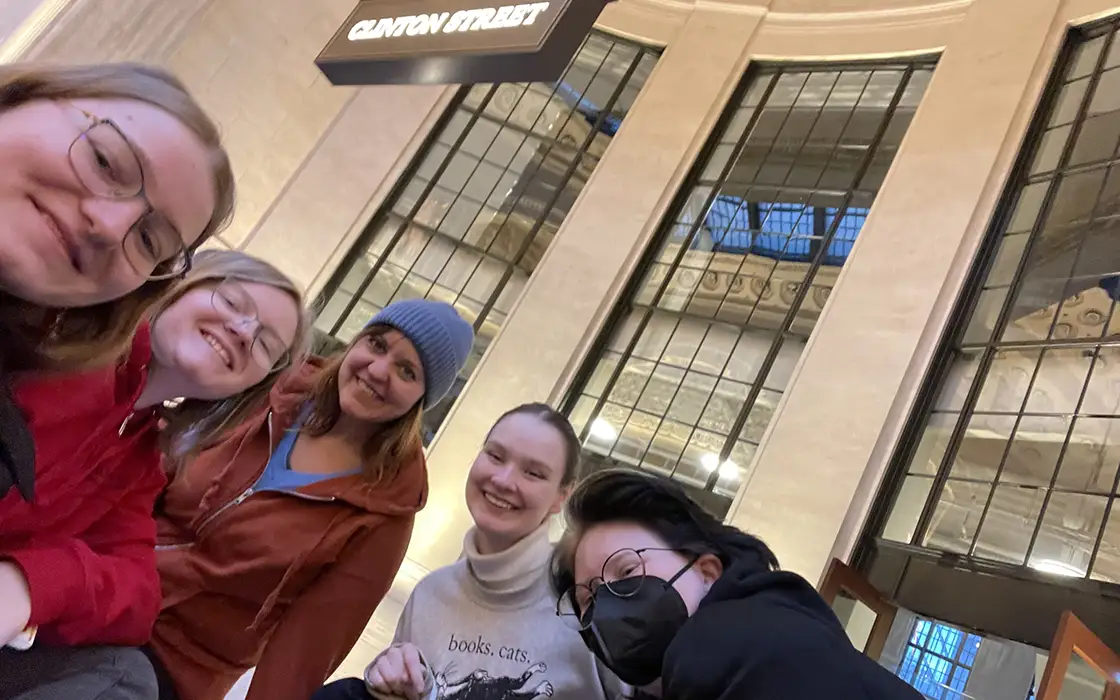
With easy access to Chicago via the Amtrak station in Galesburg, students in the Greek Art and Architecture course take a day trip to the Art Institute and share a family‑style meal in Greektown. The course also includes a walking tour of neoclassical architecture in downtown Galesburg, culminating in a backstage visit to the 1890s Orpheum Theatre.
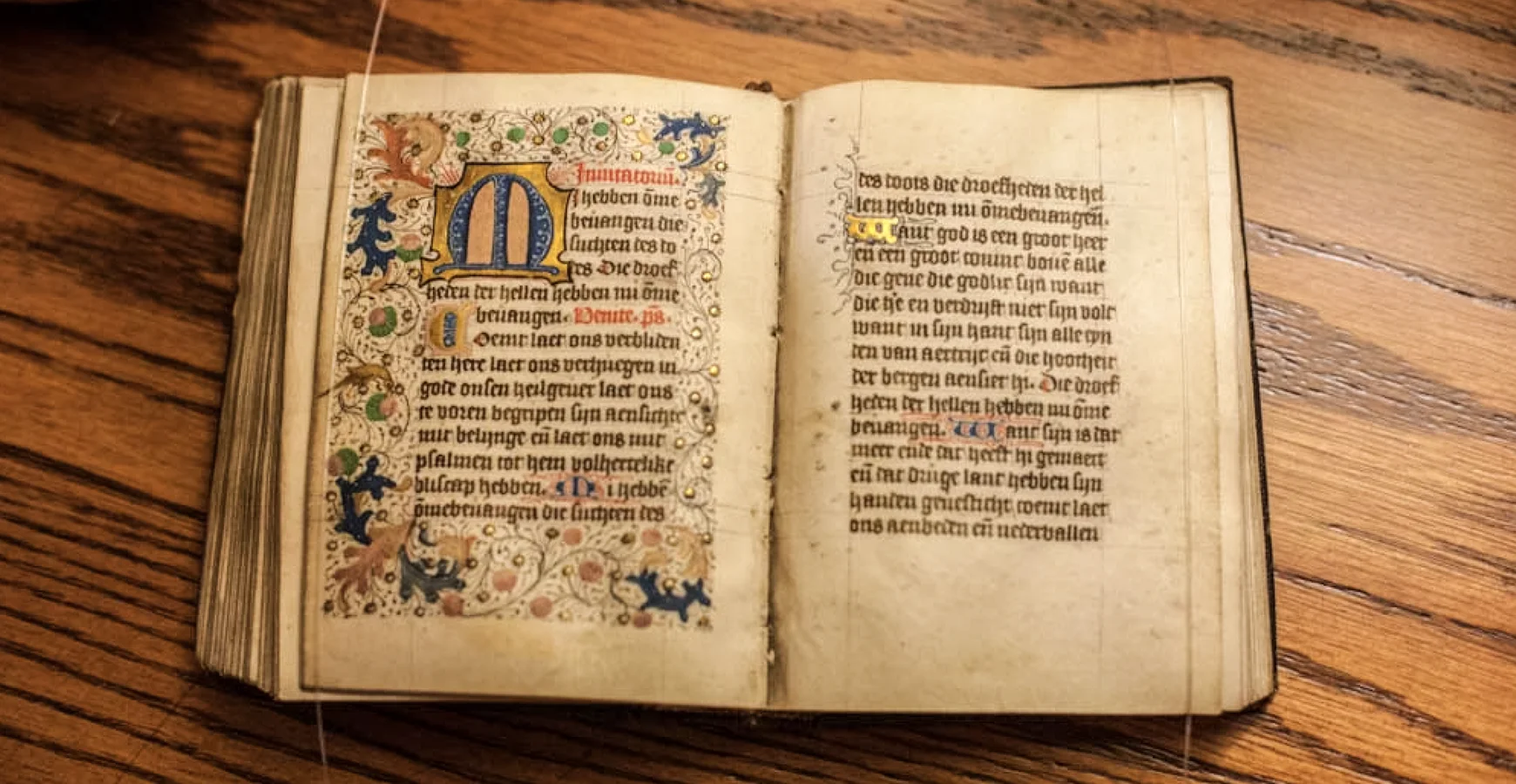
Many courses make use of the Archives and Special Collections at Seymour Library, where Latin and Ancient Greek students study manuscripts and incunabula to learn paleography and book history through hands-on work with original texts.
Through Knox’s Abolition for All Time Humanities Lab, students collaborate on digital projects—from building websites analyzing modern adaptations of Homer’s Odyssey to creating a trilingual commentary in the upcoming Digital Tools in Classics course.
Classics at Knox is built on fellowship, curiosity, and shared enthusiasm for the ancient world. Students and faculty create a welcoming, lively environment where everyone shows up, supports one another, and brings energy to the work we do.
Student‑led weekly programming plus several holiday gatherings each year.
An annual end‑of‑year party with homemade Mediterranean food and a performance of an ancient play, hosted at faculty homes.
Weekly Latin and Ancient Greek practice in the Caf, designed to be fun, low‑stakes, and community‑building.
Opportunities to connect with ancient‑language students nationwide through the national honor society.
Courses centered on conversation, collaboration, and laughter as students engage deeply with the cultural products of the ancient Mediterranean world.
Each course offers a new lens; as students take more classes, their understanding of the ancient world broadens and transforms alongside their intellectual development.
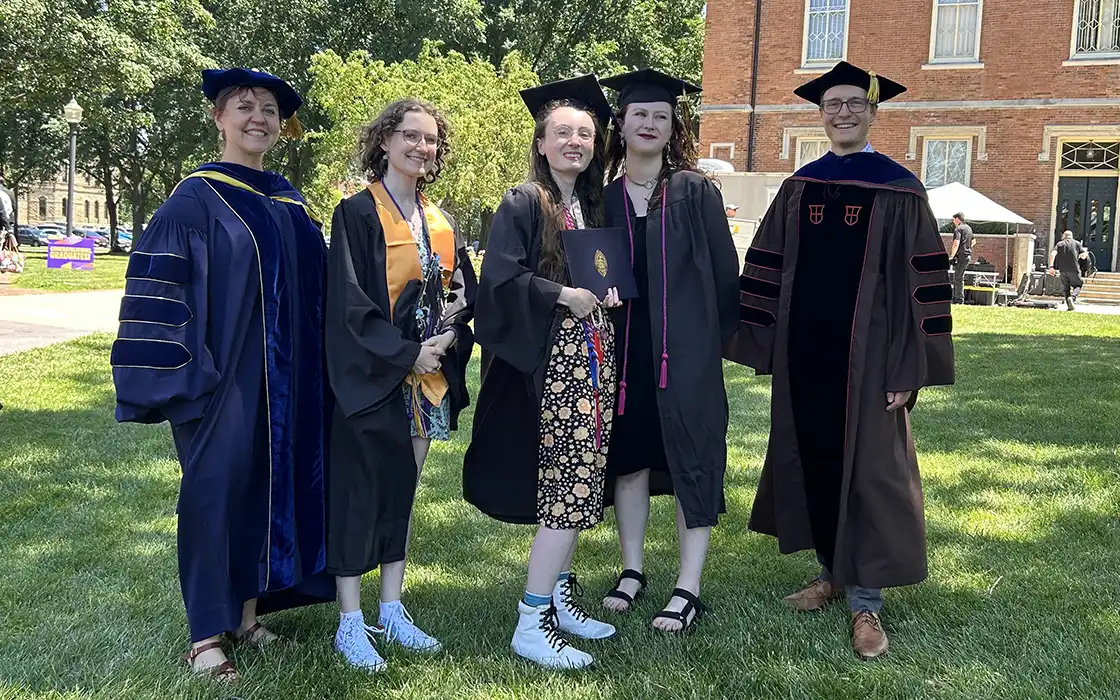
Knox’s classics majors and minors are successful in a wide variety of fields and easily adapt to new opportunities wherever skills in analyzing details, communicating clearly, and thinking in terms of the big picture are needed.
Some recent alumni have pursued graduate work in classics, attending masters programs at the University of Colorado Boulder, University of Georgia, and University of Kansas, as well as Ph.D. programs at Indiana University Bloomington and Washington University in St. Louis. Several have chosen to become educators or librarians; others have gone into fields as wide-ranging as non-profit management, statistics, and data analysis.
Knox has discontinued its previous majors in Latin and Greek to offer two new programs in Classical Languages and Classics & Mediterranean Studies.
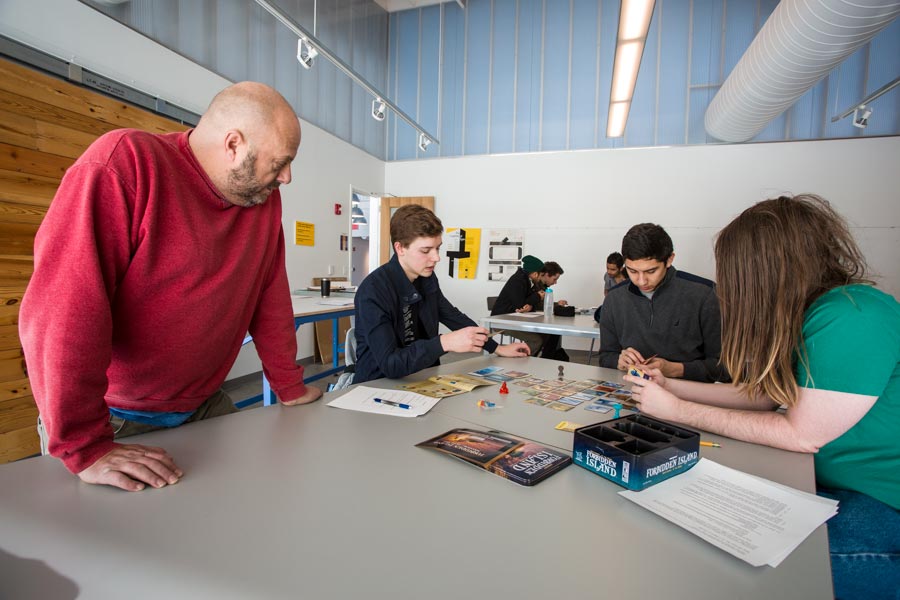
Five Knox faculty members received promotions prior to the start of the 2023-24 academic year.
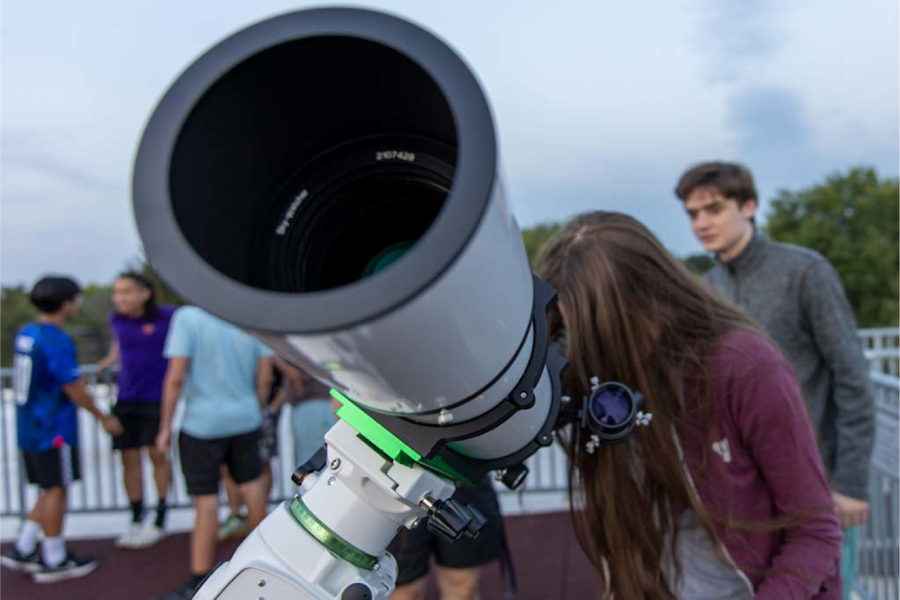
More than 50 Knox students participated in the 2023 Immersion Summer term.
When you study classics and the ancient world, you build skills that translate into modern careers. Learning Latin and Ancient Greek sharpens your ability to understand technical vocabulary, interpret evidence, and communicate with precision—useful for future lawyers, doctors, and scientists. Classics also helps you think across time and culture. By studying how ancient societies approached questions of identity, justice, power, and community, you gain perspective that enriches your understanding of today’s world and prepares you to navigate it thoughtfully.
Yes! The yearlong introductory Latin sequence is offered every year, and introductory Ancient Greek is offered two out of every three years. After completing the introductory sequence, you can take any of our available upper-level courses in that language. We offer at least one upper‑level course in each language every year, and students often pursue independent studies or partial‑credit reading courses for more intensive advanced work.
Many students choose programs such as College Year in Athens or the Intercollegiate Center for Classical Studies in Rome, two of the most respected destinations for classics and ancient Mediterranean studies. Students can also take advantage of winter break travel courses that explore sites across Europe and beyond. We work closely with the Stellyes Center for Global Studies to help you compare programs, understand application timelines, and find the option that fits your academic goals.
You’ll thrive in this program if you’re excited to dig deeply into the parts of the ancient world that fire you up. Do you love word origins and historical linguistics? Random historical events? The details of art-making techniques? Obscure myths? Modern novels, shows, and video games that use ancient inspirations? We do, too, and we will encourage you to take a deep dive into what you love. Your enthusiasm helps you learn about the material and about yourself—and that self-knowledge will help reveal potential pathways for your career and life.
Contact us to find out more about our comprehensive majors, minors, and programs.